Injection molding vs. blow molding: Which is better?
In modern manufacturing, injection molding and blow molding are two widely used plastic processing techniques. Each has its advantages, but neither is suitable for all identical applications. This article will analyze the pros and cons of these two techniques in detail to help you determine which one best suits your needs.
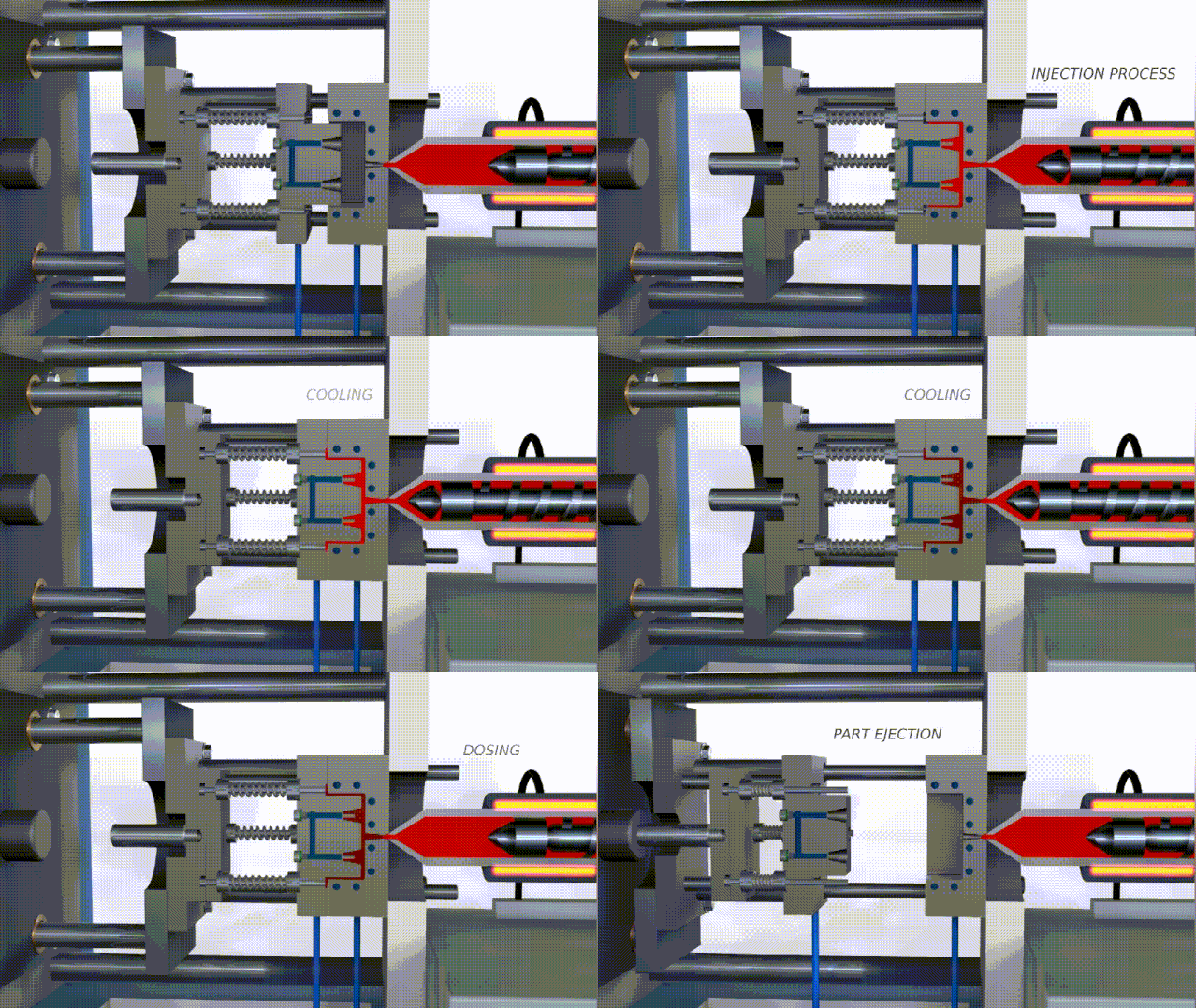
Injection molding is a production technique that uses thermoplastic or thermosetting plastics. The process involves heating plastic granules to a molten state, injecting them into a mold under high pressure, and then cooling and solidifying them to form the desired shape. This process is typically suitable for large-scale production because it allows for the maintenance of a high degree of consistency and precision.
1.1 Advantages of Injection Molding
1. High Precision: Injection molding can produce parts with extremely high precision, suitable for products requiring tight tolerances, such as electronic components and automotive parts.
2. High Efficiency: Once the mold is manufactured, injection molding production is very fast, producing a large number of parts per hour.
3. Diverse Material Selection: It can use a variety of plastics, including thermoplastics and thermosets, to meet different performance requirements.
4. Complex Shapes: It can manufacture complex geometries, suitable for precision and complex designs.
5. Labor and Material Savings: Due to efficient raw material utilization and fewer post-processing steps, production costs can be reduced.

1.2 Disadvantages of Injection Molding
1. High equipment investment: Initial equipment and mold costs are high, making it suitable for large-scale production but less economical for small-batch production.
2. Long mold manufacturing time: Mold manufacturing takes a long time, and design changes can lead to additional costs and time.
3. Not suitable for small batches: The efficiency and economy of injection molding are affected for small-batch production.

Blow molding is another plastic processing technique, mainly used to manufacture hollow plastic products. The process is primarily divided into extrusion blow molding, injection blow molding, and compression blow molding. First, the plastic is heated to a molten state and extruded into a tube shape, which is then inflated into the desired shape by gas.
2.1 Advantages of blow molding
1. Suitable for hollow products: Blow molding is particularly suitable for producing hollow products, such as various bottles and containers.
2. Lower cost: Compared to injection molding, equipment investment and mold costs are lower, making it suitable for both small-batch and large-batch production.
3. High production speed: Under the same production conditions, blow molding offers faster production speeds, meeting rapid market demands.
4. High recyclability: It can use recycled plastics in its production, aligning with sustainable development trends.

2.2 Disadvantages of blow molding
1. Lower precision: Blow molding generally has lower precision than injection molding, making it suitable for simpler shapes but less adaptable to complex geometries.
2. Lower strength: The thickness of the manufactured product may be uneven, potentially affecting its strength and durability.
3. Slow mold changeover time: Although molds are less expensive, a certain amount of time is still required to change them each time different shapes are produced.
3.Blow Molding and Injection Molding: Material and Color Selection

Most plastic raw materials are transparent or milky white. Various plastic products require different colors for use or design purposes, which necessitates dyeing during plastic processing. A common dyeing method is to mix a certain proportion of color masterbatch or color powder into the raw materials before production, and then melt the raw materials with the color masterbatch or color powder together in the injection molding machine to produce the desired product color.
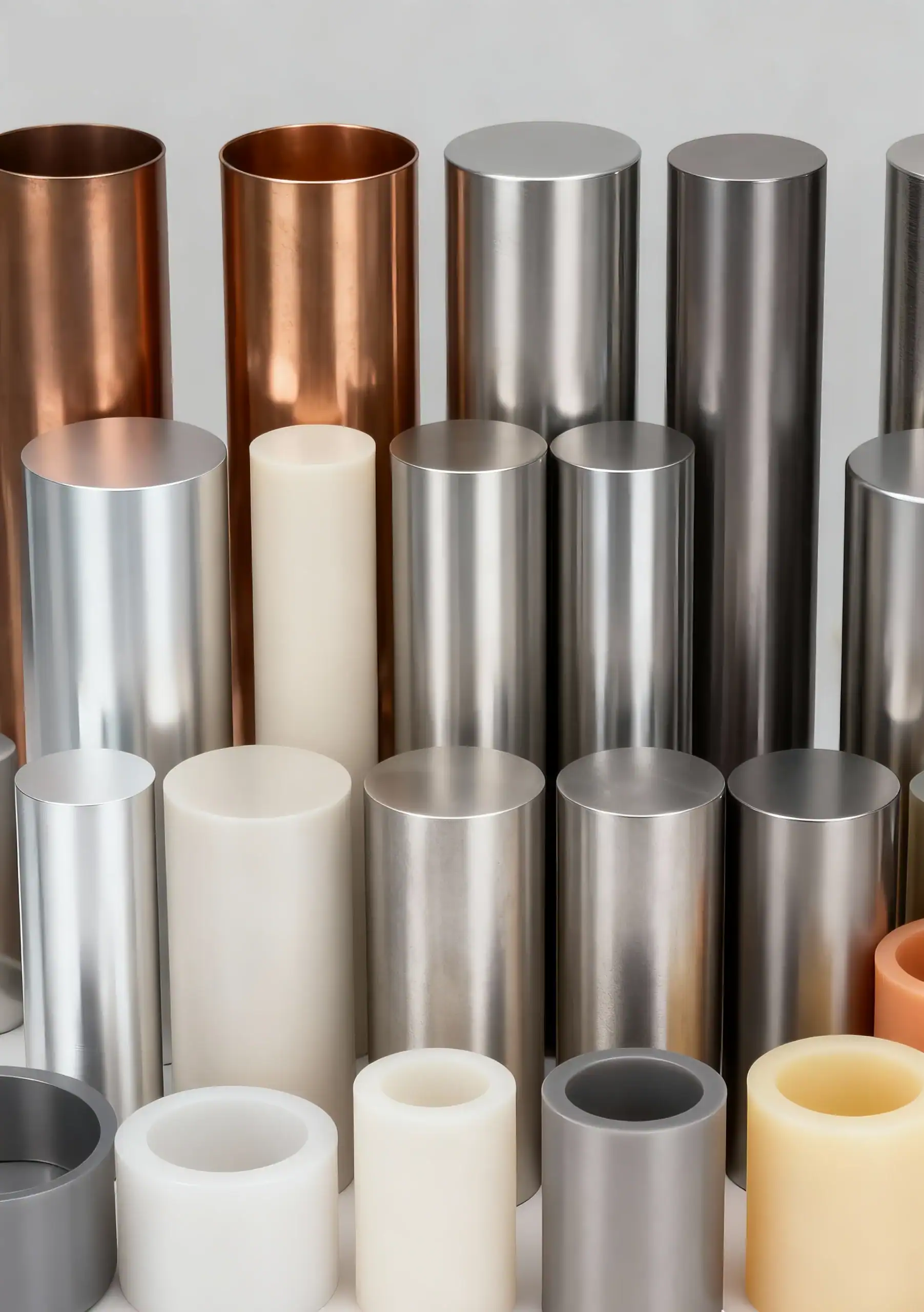
Many blow molding materials are also suitable for injection molding. Here are a few examples of common materials used in blow molding and injection molding:
Acrylic Fiber: Acrylic is a glass-like plastic that is abrasion-resistant, scratch-resistant, stain-resistant, and UV-resistant. It is commonly used in food and beverage applications.
Acetal: Ethyl acetal is a robust plastic material that is abrasion-resistant, heat-resistant, and wear-resistant. Therefore, it is commonly used in machinery and automotive applications.
Polyetheretherketone (PEEK): This thermoplastic has high chemical, radiation, and temperature resistance. Therefore, it is important for manufacturing parts used in many medical, automotive, and industrial environments.
Polyvinyl Chloride (PVC): PVC has high durability, dimensional stability, and is fire-resistant, chemical-resistant, and abrasion-resistant. Therefore, it is a common injection molding material in industry.
Polyesters: They have high tensile strength and dielectric properties in the manufacture of trampolines, canoes, etc.
Urban Carbamates: This low-cost injection molding material allows for precise tolerances. Therefore, it is suitable for manufacturing products with complex designs.
Quick Selection: How to Decide Between Injection Molding and Blow Molding
Both injection molding and blow molding have their own advantages, disadvantages, and applicable scenarios. Only by understanding the differences between these two processes can one make a choice between blow molding and injection molding, thereby improving production efficiency and reducing costs.
Are you looking for injection molding services that can guarantee high-quality plastic molded parts in a short time and at a competitive price? Then you’ve found what you’re looking for. FutureParts is a custom parts manufacturer, and our strong injection molding capabilities can help you create high-quality injection molds and plastic molded parts.
We are an ISO 9001:2015 certified company with our own factory equipped with state-of-the-art facilities and a professional team to support you in mold design, material selection, and economical solutions.
Furthermore, outsourcing to us is easier through our instant quotation platform, ensuring accurate quotes and efficient design analysis. Therefore, you can upload your design files and receive a real-time quote and free DFM analysis within 12 hours.